How it works
Your creative is your targeting. So we build every ad to find its buyer.
On Facebook and Instagram, the ad itself now decides who sees it. So we build every ad around one buyer, and read its audience before it runs. Here's everything that happens between a creator's camera and your buyer's feed.
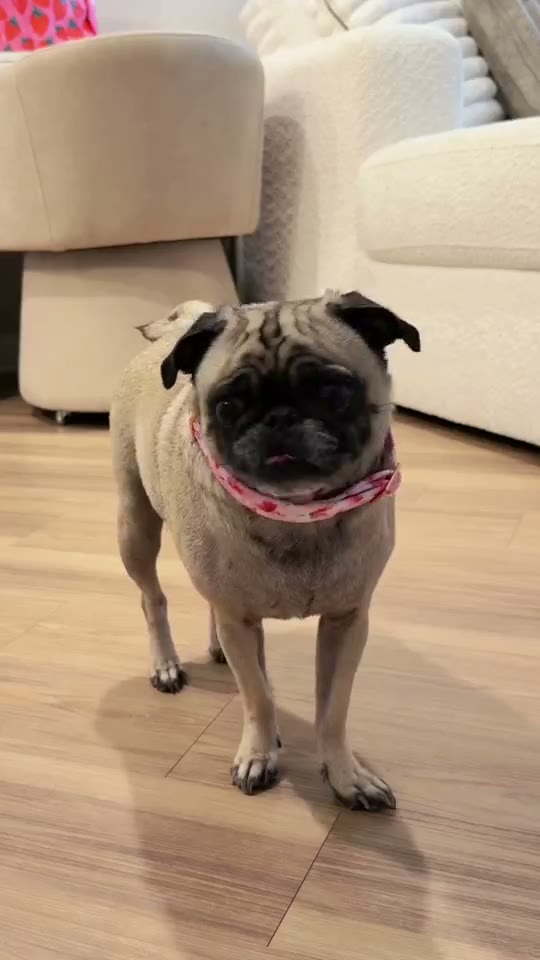
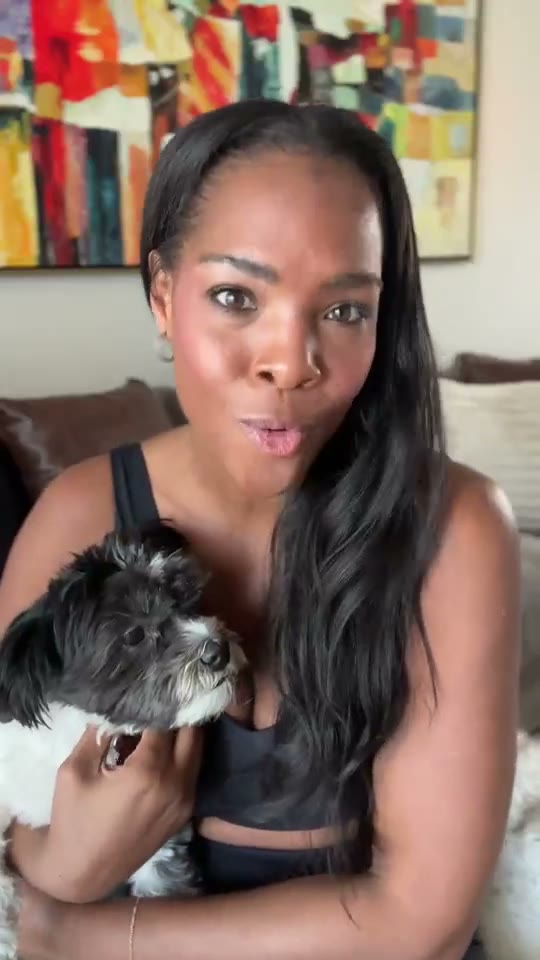
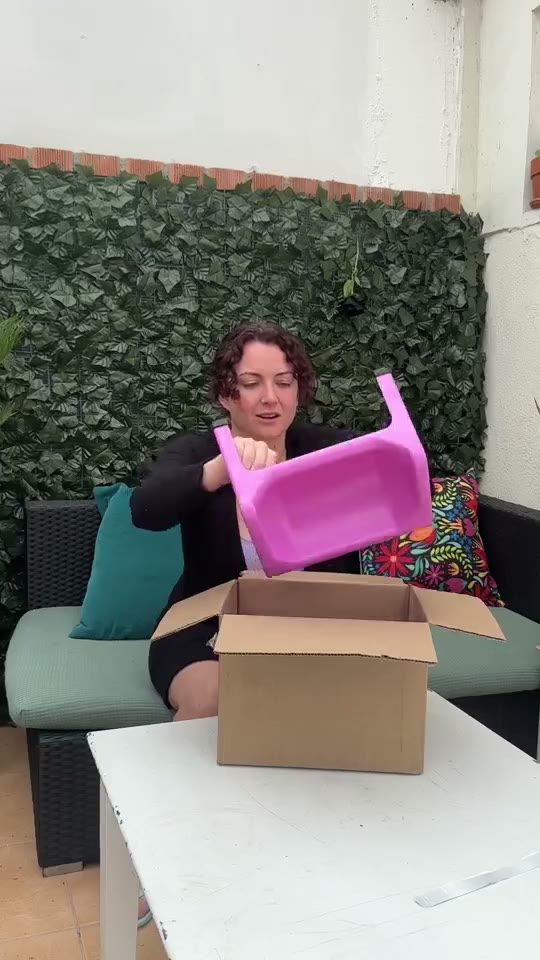
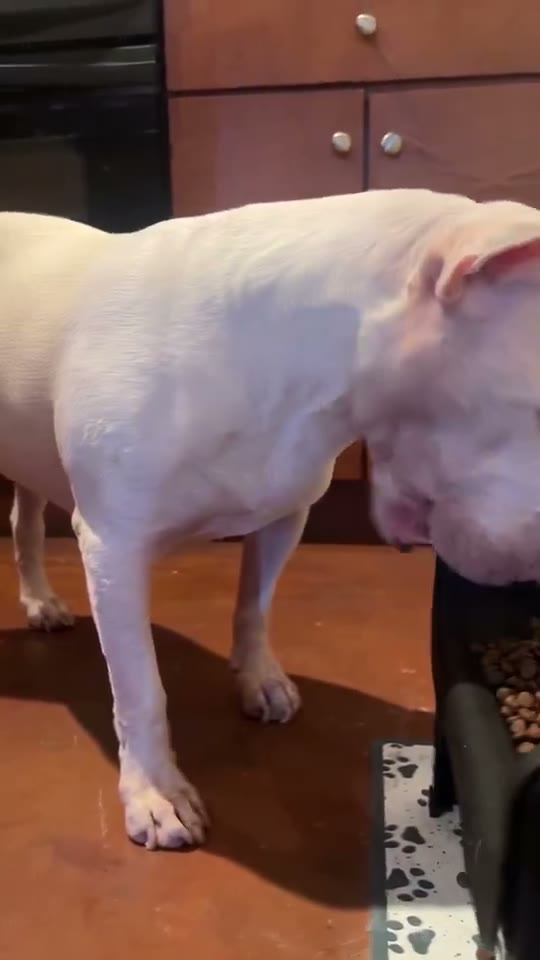
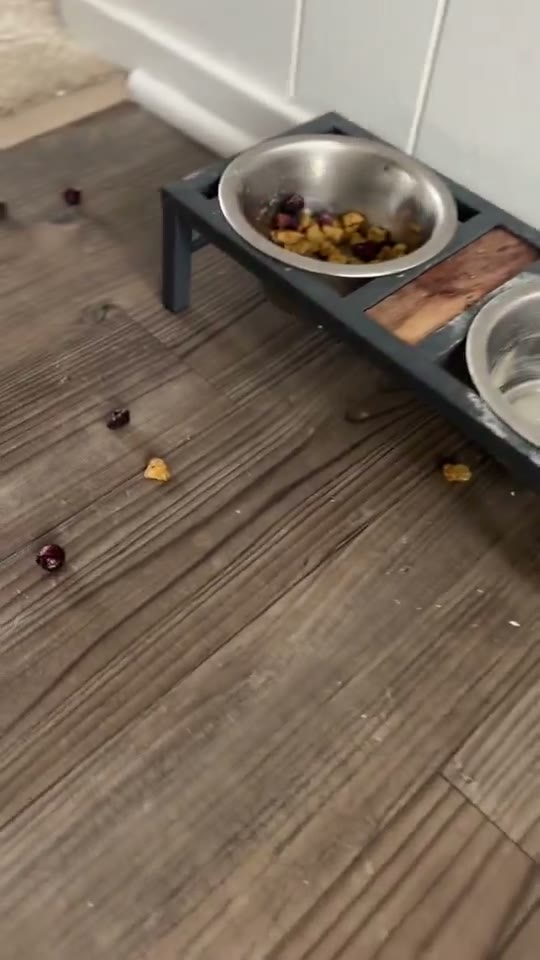
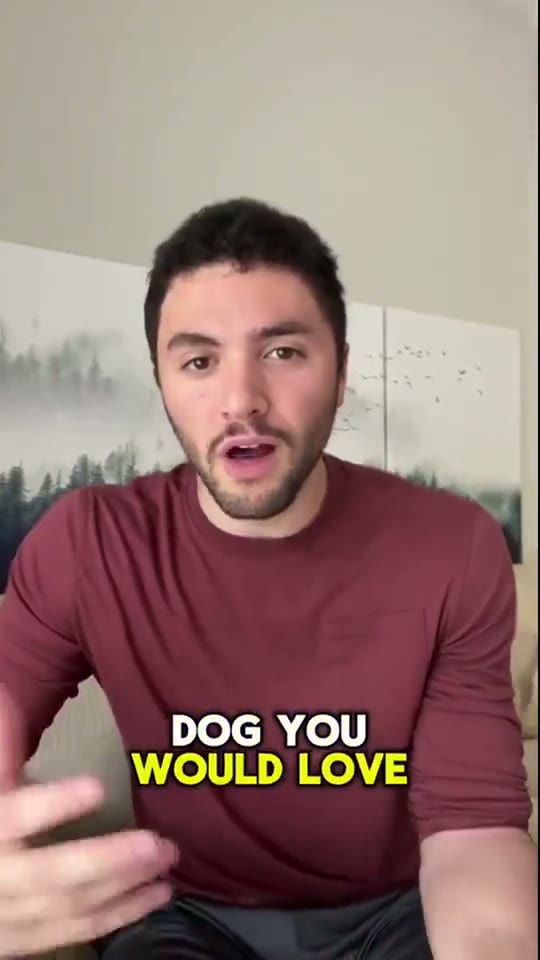
- One creator video
- Cut into scenes, each one labelled
- A story for each buyer, from the same scenes
- Each ad's audience read, and tightened
1. Real creators, briefed scene by scene.
Every engine starts with real people on camera.
- We recruit the creators for you.
- We brief each one scene by scene: the struggle, the fix, the demo, the proof. Short scenes, not finished ads.
- We track which videos each creator agreed can be used in ads.
2. Every video becomes scenes.
Everything that comes in, new shoots and the ads you've already run, is cut into scenes.
- Each scene is labelled by what it does in a story, and who it speaks to.
- Any scene can join many stories, across videos and creators.
- Every new shoot adds to the same library. Nothing is used once and thrown away.
The struggle 3s
The worry 3s
The fix 3s
The demo 6s
The proof 4s
The ask 4s
Six scenes from five real creators, each labelled by what it does. Real creator footage from one pet brand · illustration.
Tap a scene to hear it.
3. StoryLab works out who buys, and why.
Every story starts with a buyer, not a script.
Our StoryLab reads your product page and your customer reviews, and maps the different people who buy from you. For each one, three things:
- Who they are. The buyer, described the way your customers describe themselves.
- The job they need done. What they're bringing your product in to fix.
- What moves them to buy. The worry, the want or the proof that tips them over.
Then it matches each buyer with the reasons to believe that move them, and the real scenes that prove each one.
4. The Story Engine builds a story for each buyer.
It writes the story, picks the scenes and puts the ad together from real footage.
- One buyer per ad, so every ad has one job.
- Scenes mixed across videos and creators, to tell each buyer the story that moves them.
- Every story checked against our story rules before it's cut.
- Different by design: a different opening, a different reason to buy, a different buyer.
Three buyers, three stories, the same scenes
-
For the worried owner
-
For the flat-face breed owner
-
For the owner tired of the mess
Real creator footage from one pet brand · illustration.
The step most teams skip
5. Others throw darts. We design the audience.
Meta's AI doesn't watch your ad the way people do. It has no taste. It reads everything, the video, the words, the people in it, the page after the click, and turns it into meaning: who this is for, how they behave, what they care about, why they'd buy. Then it finds people who match.
Most teams answer that with volume. They generate ads, hope one lands, and copy it without knowing why. It looks data-driven. It isn't: the data tells you which dart hit, not why.
Their cycle
- Generate
- Hope
- Learn by gut
Ours
- Design the audience
- Test the audience
- Optimise the audience
- Design. Every ad is built to say clearly who it's for and why they'd buy.
- Read. Before it goes live, we read the ad the way Meta's AI does, meaning, not taste, and shows who it points at and the interests Meta will match it to.
- Test. Each result shows how what the ad said shaped who Meta found.
- Optimise. When an audience read is mixed, we fix the creative: we swap the scene that points at the wrong buyer. The next round is designed from what we learned.
Return on ad spend, shown as multiples. Up to 60% more return from ads with a tight audience.
A framework you can repeat, not a lucky hit.
- Monthly revenue more than tripled.A pet brand.
- Cost per trial down nearly 60%, to single digits.A wellness brand, at 22× return on ad spend over five months.
- Zero to a seven-figure run rate in 90 days.A new consumer brand.
- Cost per customer cut by two-thirds.A consumer brand.
6. Results come back, and the engine gets sharper.
Every ad is tracked to the scenes and creators in it.
- When results come in, we see which buyer, scene and opening won.
- The next round starts from what won, while the current one is still running.
- The gaps show up too: the shots worth filming next, and the stories each one would finish.
- And every ad gets its own landing page, made for the same buyer, so the story keeps going after the click.
Questions.
- Is any of it AI-generated?
- No AI faces or voices. Every face and voice is a real person. Software, including AI, helps us find the scenes, put them in order, draft the words around them and read each ad's audience.
- What do you need from us to start?
- 5 to 10 of your videos, or a conversation about your product and the people who buy it if you have none yet.
- Do we have to do any of this ourselves?
- No. It's done for you, from the creators to the audience read to the next round.
First step · Bring your old videos back to life
See it work on your own footage.
Leave your work email and we'll show you how to send us 5 to 10 of your videos. We'll give you a taste of what they can become.